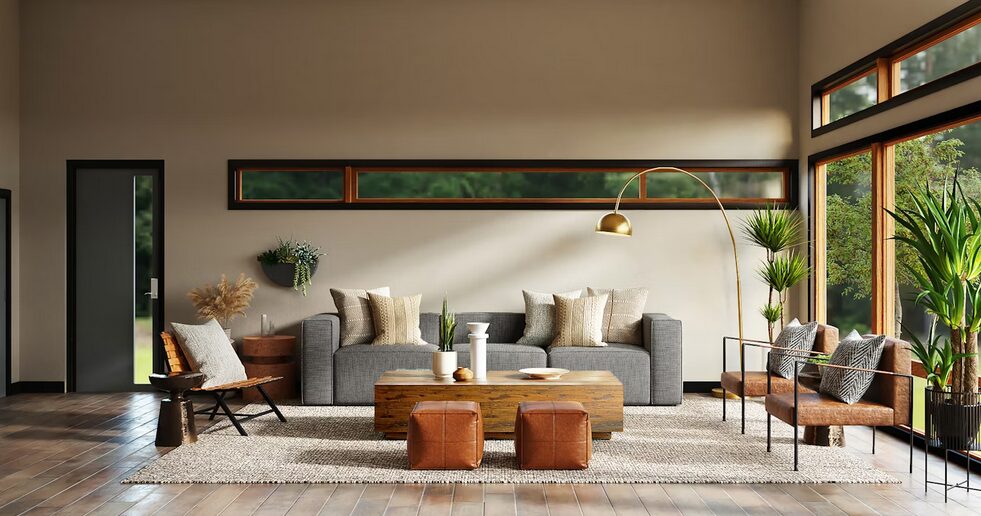
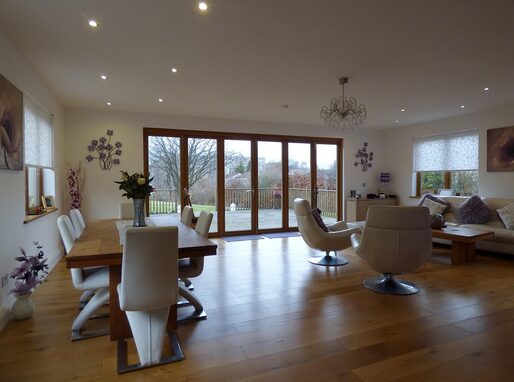
A cornerless opening looks like a magic trick. One minute you have walls, the next you have pure air and glass sliding away. You’ve probably seen these setups pop up with a bigger price tag. The question is simple: is it a smart spend, or a shiny temptation? Let’s find out the truth.
What “Cornerless” Really Means
Cornerless bifold doors remove the visible corner post at the meeting point of two openings. You still have structure, but it’s hidden in the beam above or tucked into the build. The result is a clean “wraparound” view. It’s the kind of detail guests point at and go, “Wait… how is that even holding up?” That look is the whole point, so be honest about your priorities. If you want maximum drama, it delivers. If you mainly wish to have better light and a wider exit to the patio, standard bifolds already do plenty. Cornerless is a luxury move. It’s like ordering the same coffee, but with an extra shot and latte art that looks like your dog.
Why the Premium Happens
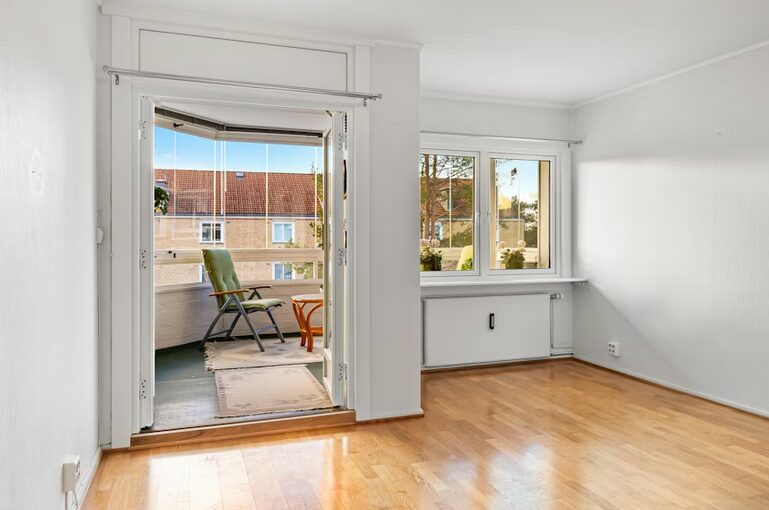
The extra cost isn’t just “because fancy.” The corner is a load path, and removing the post shifts the engineering job elsewhere. That often means a larger steel beam, more labour, and more precision in the opening. Smaller errors become big problems fast. Doors hate crooked frames. The door system itself can also be pricier. Hardware, track alignment, and panel balance matter more here. You may need higher-grade rollers or stronger hinges to maintain smooth motion. And yes, installers who do this work well usually charge more. You’re paying for reduced risk, not just a logo on the handle.
Performance and Day-To-Day Reality
In daily use, cornerless bifolds can feel brilliant. You get a wide opening and a view that doesn’t stop at a chunky post. On a warm evening, it’s hard not to grin. The inside and outside blend, like your extension finally takes a deep breath. But there are trade-offs to keep in mind. Bifold panels stack, so you still lose some side space to the folded pack. Weather sealing is also about build quality, not wishful thinking. If your extension faces strong winds, you’ll care a lot about how the doors close and latch. Ask about thresholds too, because “almost flush” and “actually easy with a pram” are different things.
How to Match the Style to Your Home
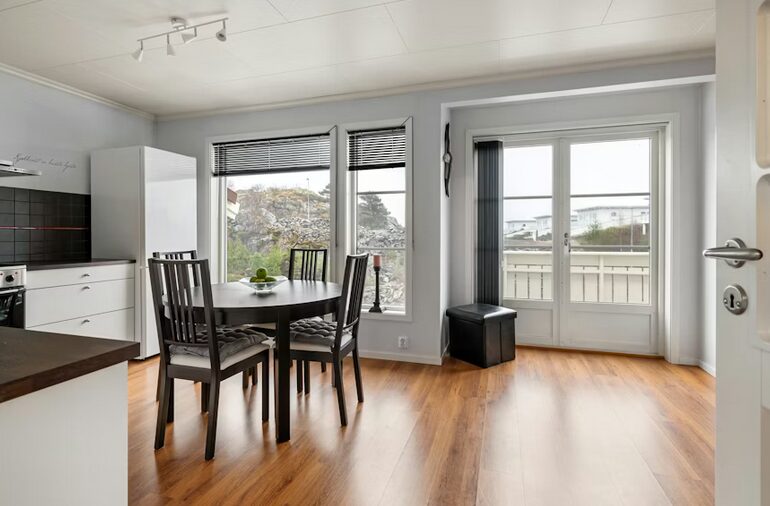
Cornerless works best when the rest of the extension supports it. If you have a clean, modern rear elevation, it looks intentional and sharp. Minimal frames and calm colours usually land well. Dark finishes can frame the view like a cinema screen, while lighter tones soften the look. For older homes, it can still work, but balance matters. Pair it with window shapes and proportions that respect the original house. If the back becomes ultra-modern while the front stays traditional, it can feel like two houses in one outfit. Some people love that contrast. Others regret it after the second winter. A quick visual check helps: stand in the garden, squint a bit, and see if the new lines “belong.”
A Simple Test for Value
Ask yourself one blunt question: Will you enjoy the cornerless effect every week? If it’s mostly for resale photos, think twice. If you host often, love indoor-outdoor living, and plan to stay put, the premium can feel justified. This feature is about experience, not just function. Then get practical about the process. Choose a company that knows aluminium systems and can handle measurement, supply, and fitting with confidence, such as Durajoin. Ask for examples of similar installs and how they handle structural coordination with your builder. If the answers sound vague, walk away. Cornerless doors are brilliant when done right, and a headache when done “close enough.”